January 31, 2026
Asphalt is a foundational material in modern road construction and infrastructure development. Its widespread use for roads, highways, and high-traffic surfaces stems from a combination of affordability, durability, and adaptability. Municipalities, commercial property owners, and transportation agencies frequently rely on asphalt paving services to support reliable transportation networks and long-term surface performance. These projects benefit from asphalt’s ability to handle heavy use while maintaining structural integrity over time. As infrastructure demands grow, asphalt paving services continue to support efficient and scalable roadway solutions.
Cost-Effectiveness of Asphalt
Initial Construction Costs
Asphalt is frequently selected for road construction because its initial installation costs are lower than those of many alternatives, particularly concrete. The materials used are readily available, and the construction process is less labor-intensive than rigid pavement systems. Faster placement and curing allow projects to move forward efficiently. Many municipalities choose asphalt paving services because reduced installation time lowers equipment use, labor hours, and overall project expenses.
Lifecycle Costs
Beyond installation, asphalt offers favorable lifecycle costs that appeal to long-term planners. Roads constructed with asphalt can be resurfaced rather than replaced, extending usability without full reconstruction. This approach minimizes material waste and reduces disruption to surrounding areas. Ongoing maintenance provided through asphalt paving services allows agencies and property owners to manage long-term budgets while keeping surfaces functional.
Maintenance Savings
Asphalt surfaces are easier and less expensive to maintain compared to many other paving materials. Common repairs such as crack sealing and surface patching can be completed quickly with minimal disruption to traffic. These repairs help prevent moisture intrusion and structural damage. Regular asphalt paving services address minor surface issues early, reducing the likelihood of larger, more costly repairs.
Overlay and Recycling Benefits
Asphalt overlays provide a practical way to restore existing pavements without full removal. This method saves time, labor, and materials while improving ride quality and surface appearance. Overlays also extend pavement life without altering the existing road base. Asphalt paving services often incorporate reclaimed materials, reducing waste and supporting more sustainable construction practices. Additionally, according to the European Asphalt Pavement Association, asphalt is 100% recyclable, making it a great sustainable option.
Cost Comparison with Other Materials
When compared with concrete and other paving materials, asphalt typically delivers better value in both short- and long-term scenarios. Concrete installations involve longer curing periods, increased labor demands, and higher upfront costs. Repairs can also be more disruptive and time-consuming. Asphalt paving services offer a balance of affordability, performance, and repair efficiency that suits large-scale and high-traffic projects.
Durability and Performance
Material Composition
Asphalt is composed of aggregates bound together with bitumen, forming a durable yet flexible surface. This composition allows asphalt to distribute loads evenly and resist cracking under repeated stress. The flexibility of the binder helps absorb movement caused by traffic and temperature changes. High-quality asphalt paving services focus on proper mix design to support long-term durability.
Resistance to Wear and Tear
High-traffic environments place constant stress on road surfaces, accelerating surface deterioration. Asphalt resists wear by adapting to pressure and temperature fluctuations without fracturing. Its surface can recover from minor deformations caused by heat and loading. Consistent maintenance through asphalt paving services helps preserve surface smoothness and reduce premature damage.
Handling Heavy Traffic Load
Asphalt performs well under heavy traffic, including commercial vehicles, delivery fleets, and public transportation. Its resilient structure absorbs repeated loading cycles without rapid failure. This helps maintain smoother driving surfaces even under constant use. Asphalt paving services support this performance by applying proper compaction and thickness standards during installation.
Performance in Various Climates
Asphalt adapts well to different climate conditions, making it suitable for a wide range of regions. In colder areas, specialized mixes reduce cracking caused by freeze-thaw cycles. In warmer climates, asphalt accommodates thermal expansion without compromising structural integrity. Asphalt paving services adjust materials and techniques to meet regional weather demands.
Longevity and Resilience
With proper design and routine care, asphalt pavements can remain serviceable for decades. Preventive maintenance helps preserve structural integrity and surface quality. Timely resurfacing can significantly extend pavement life. Scheduled asphalt paving services help reinforce stability while maintaining consistent performance.
Construction Speed and Efficiency
Quick Installation Process
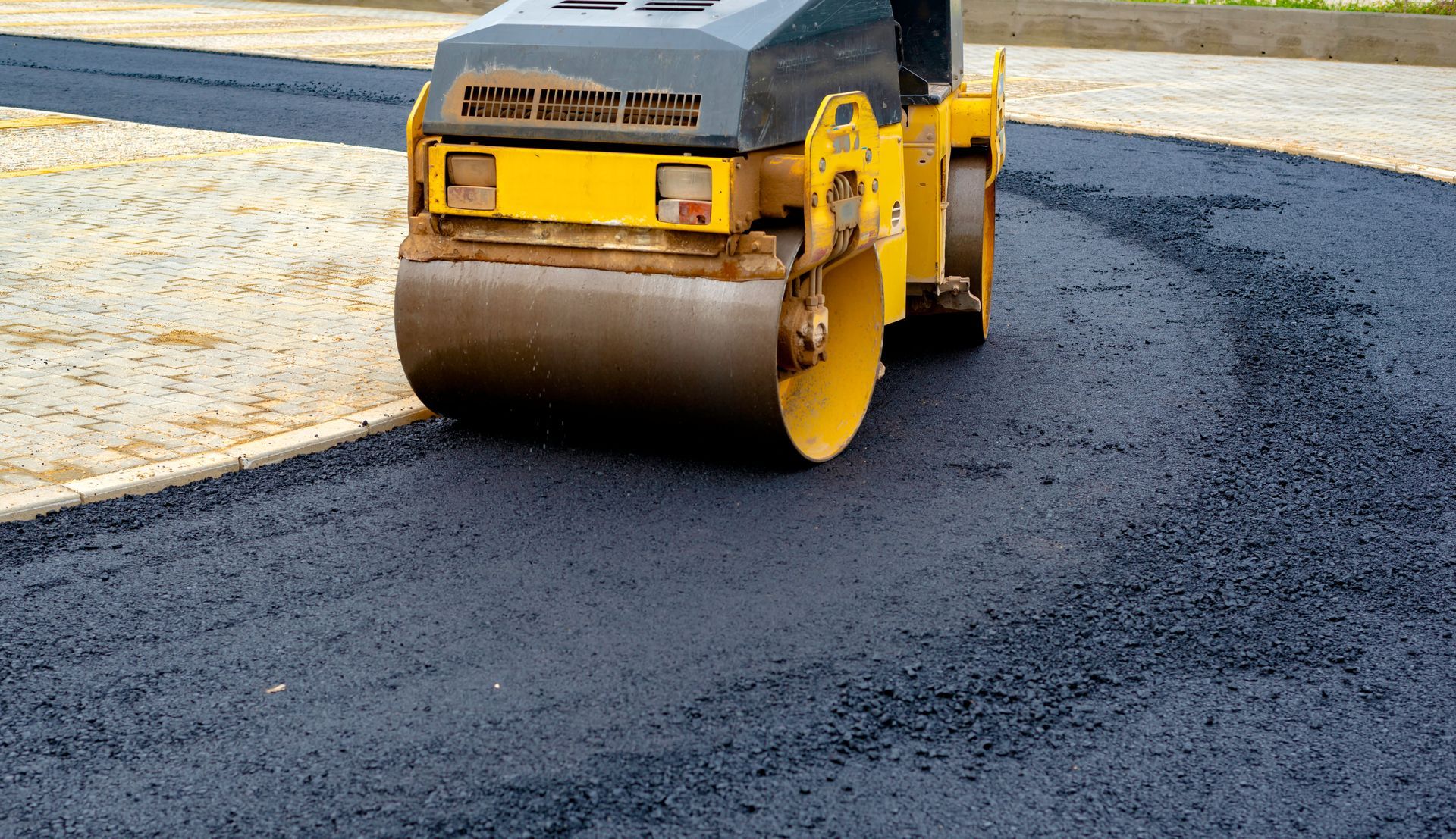
Asphalt can be placed, compacted, and opened to traffic much faster than many alternative materials. This rapid process reduces downtime for roads and parking areas. Faster installation also limits disruption to surrounding communities. Asphalt paving services support shorter project timelines that benefit both contractors and property owners.
Reduced Construction Time
Faster installation results in fewer delays and quicker project completion. Shorter construction schedules help minimize congestion and improve public satisfaction. This efficiency is especially valuable in urban and commercial environments. Asphalt paving services are well-suited for time-sensitive projects where access must be restored quickly.
Minimizing Traffic Disruption
Because asphalt construction progresses efficiently, traffic disruptions are kept to a minimum. Work zones are often smaller and easier to manage. Roads can reopen sooner, reducing congestion and delays. Asphalt paving services support smoother traffic flow during construction and repair activities.
Efficiency in Repairs
Asphalt repairs are straightforward and can be completed with minimal equipment. Crews can address damage quickly, restoring safe driving conditions. This flexibility allows for both temporary and permanent repairs as needed. Ongoing asphalt paving services help maintain usability while minimizing prolonged closures.
Adaptability to Urban Settings
Urban environments often require flexible construction approaches due to space limitations and traffic density. Asphalt can be customized for thickness, drainage, and surface texture. This adaptability supports pedestrian safety and vehicle efficiency. Asphalt paving services help integrate road surfaces seamlessly into complex urban layouts.
Safety Benefits of Asphalt Roads
Slip Resistance
Asphalt surfaces provide strong traction due to their textured composition. This improves vehicle control during rain, snow, and sudden stops. Better grip reduces skidding and loss of control. These properties support safer driving across high-traffic corridors.
Water Drainage
Properly engineered asphalt promotes effective water drainage across road surfaces. This reduces standing water and the risk of hydroplaning. Porous asphalt options further improve drainage performance. These features contribute to safer driving conditions during wet weather.
Visibility and Contrast
The dark surface of asphalt enhances contrast with pavement markings and signage. This makes lane lines and directional indicators easier to see. Improved visibility benefits drivers during nighttime and poor weather conditions. Clear visual cues help reduce accidents and confusion.
Temperature Regulation
Asphalt retains heat more evenly, which can reduce icy conditions in colder climates. In warmer areas, modified mixes help manage surface temperatures. These adjustments improve comfort and safety for road users. Surface treatments also support long-term performance.
Noise Reduction Properties
Asphalt absorbs sound more effectively than rigid paving materials. This reduces traffic noise in nearby residential and commercial areas. Lower noise levels contribute to improved comfort and quality of life. Quieter roadways also benefit pedestrians and cyclists.
As infrastructure continues to age and traffic demands increase, the ability to maintain and improve roadways without excessive disruption becomes increasingly important. Asphalt supports this need by allowing surfaces to be repaired, resurfaced, and upgraded in stages rather than requiring full replacement. This flexibility helps communities adapt to growth, shifting transportation patterns, and budget constraints while keeping roads functional. Over time, this approach supports consistent roadway performance and long-term planning for both public and private infrastructure.
Asphalt remains the preferred material for roads and high-traffic surfaces due to its affordability, durability, and adaptability. Its performance benefits extend from construction through long-term maintenance. Safety, environmental responsibility, and efficiency all contribute to its continued use. With continued innovation and dependable asphalt paving services, this material remains a practical solution for evolving infrastructure needs. Contact Gulf Pride Paving and Civil Contractors today to learn more.