Crack Sealing & Filling
We clean and seal working cracks to limit water intrusion and help keep isolated damage from spreading through the pavement structure.
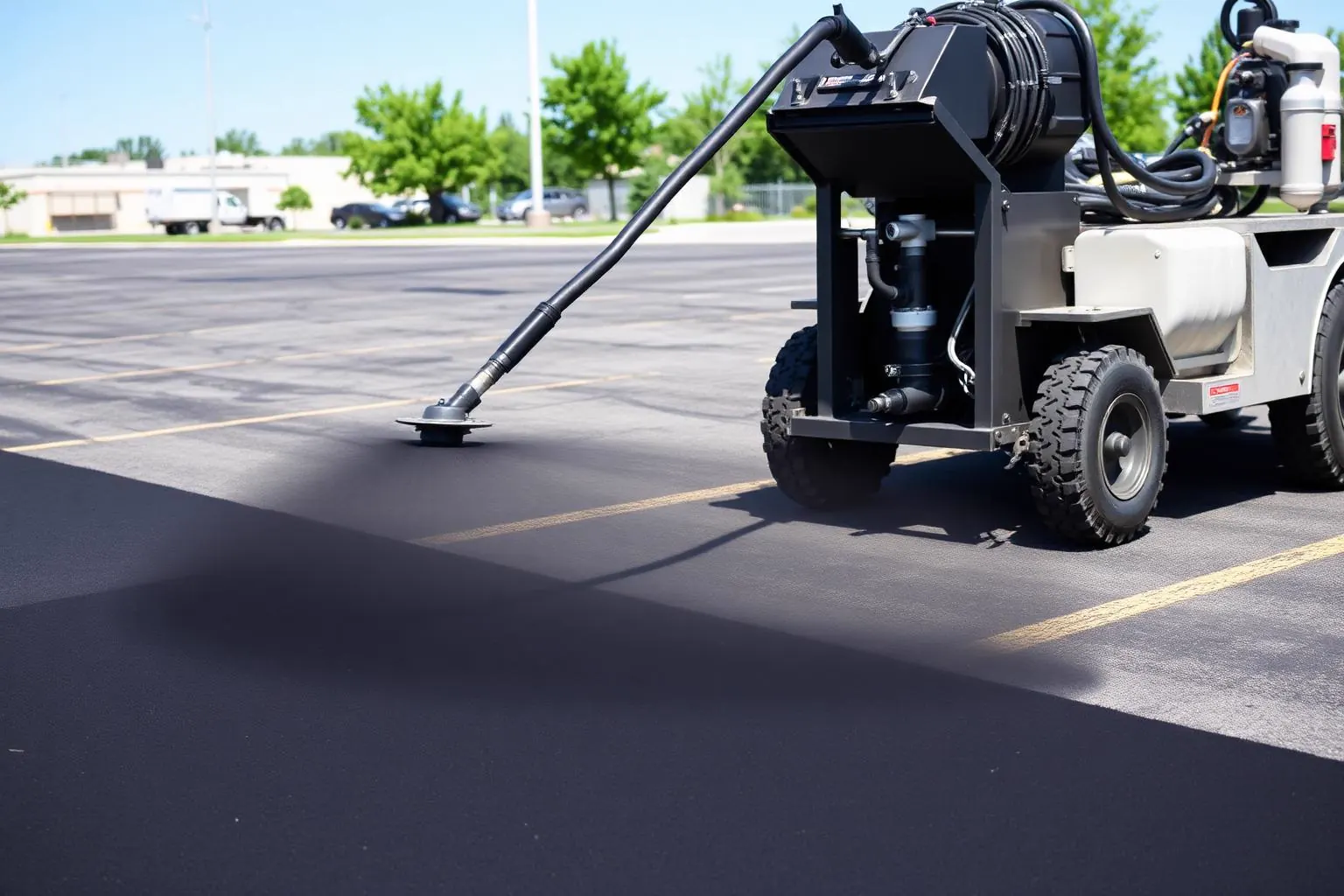
Maintenance done at the right time costs a fraction of full replacement and helps keep good pavement working longer.
Sunlight and oxidation gradually harden the asphalt binder. As flexibility is lost, the pavement becomes more brittle and less able to move under daily use.
Water intrusion, Gulf Coast heat, and heavy traffic accelerate cracking, raveling, and potholes. Open defects give moisture a path into the pavement structure.
These conditions affect properties across the Mississippi Gulf Coast — including Gulfport, Biloxi, Ocean Springs, Long Beach, and surrounding communities — as well as Southeast Louisiana.
Left untreated, manageable surface wear can advance until full-depth repair or reconstruction is the only practical option.
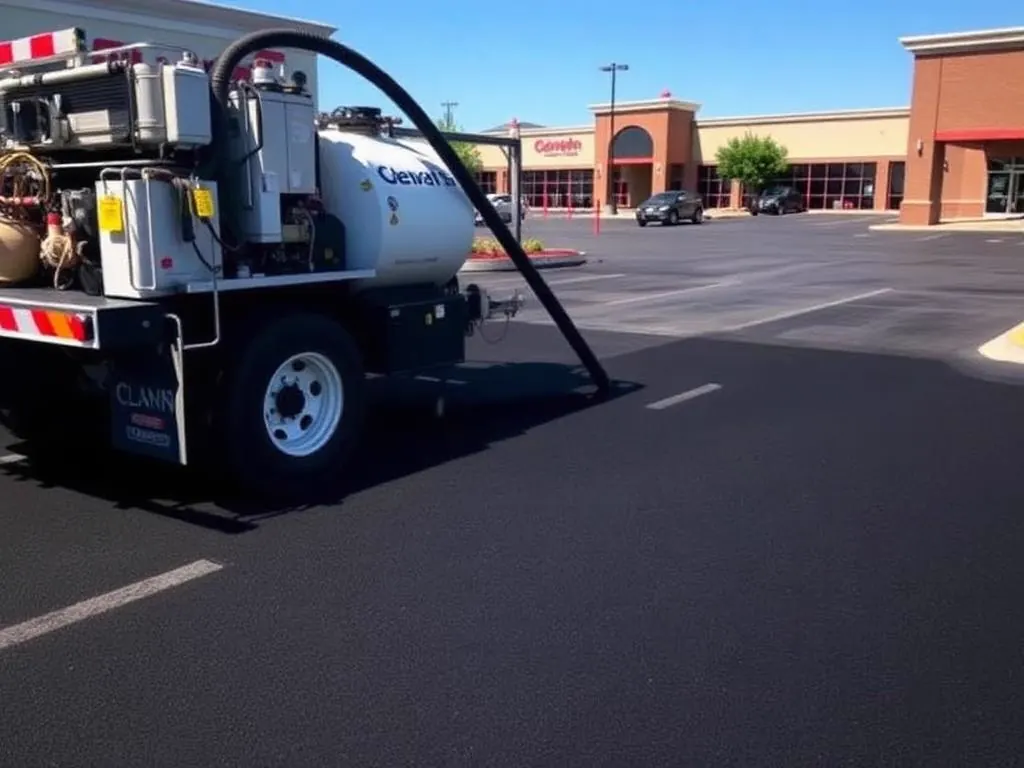
A quick walk around the property can reveal early signs that the surface needs attention.
If you see any of these signs, request an assessment and we’ll help identify the practical next step.
Pavement preservation is a cycle of inspection and smaller, regularly scheduled treatments while the surface is still in good condition. Each well-timed treatment helps restore protection and keeps performance in the good-to-excellent range.
Waiting for visible failure creates a different path: deterioration compounds, repairs become more disruptive, and the remaining option eventually becomes mill-and-repave or reconstruction.
Our crews evaluate condition first, then match the work to the surface, the site, and the way the property operates.
We clean and seal working cracks to limit water intrusion and help keep isolated damage from spreading through the pavement structure.
Our crews repair potholes, failed areas, and localized surface damage before those problems grow into larger pavement failures.
A properly timed protective coating refreshes the surface and helps shield asphalt from sun, weather, and everyday wear.
When pavement condition makes it appropriate, rejuvenation treatments can support the asphalt binder and preserve a serviceable surface.
Crisp parking lines, arrows, stop bars, fire lanes, and accessibility markings restore order, visibility, and a finished appearance.
We organize inspections and recommended treatments into a practical schedule so owners can plan ahead instead of reacting to failures.
Planned work is easier to schedule than emergency repair or reconstruction.
Timely upkeep can reduce exposure to more disruptive repairs later.
Regular treatments help serviceable pavement stay useful longer.
Treatments help defend the surface against weather, water, and wear.
A cared-for surface looks better and makes more use of what is already in place.
We walk the property, document pavement condition, and identify the areas that need attention now and those that should be watched.
We build a prioritized, budget-conscious plan for what to treat and when, based on current condition and operational needs.
Our own crews and equipment handle scheduling, logistics, and application with minimal disruption to residents, tenants, or operations.
Neighborhood streets, shared drives, amenities, and community parking areas.
Practical pavement plans across single sites or multi-property portfolios.
Parking lots, access roads, loading areas, and active operating sites.
Roadways, public lots, and community facilities that need dependable scheduling.
There is no single schedule for every pavement surface. Timing depends on age, current condition, traffic, drainage, prior work, and exposure to sun and weather. A site assessment helps determine what needs attention now and what can be planned for later.
Sealcoating adds a protective surface layer that helps defend against weather and wear while refreshing appearance. Rejuvenation is a different treatment intended to support the asphalt binder when the pavement condition is suitable. We recommend a treatment only after evaluating the existing surface.
Maintenance works best while pavement is still structurally serviceable. Widespread base failure, severe cracking, or recurring soft areas may require deeper repair, resurfacing, or reconstruction. We can assess the site and explain which areas remain candidates for preservation.
Access time varies with the treatment, pavement condition, weather, site layout, and traffic needs. We plan work zones and sequencing around residents, tenants, customers, and operations, then set clear access expectations before work begins.
Yes. We can document conditions, identify priorities, and organize recommendations so boards and property managers can evaluate immediate needs alongside longer-term pavement planning.
Often, yes. When pavement condition and site operations allow it, work can be prioritized by urgency and grouped into practical phases. The right sequence depends on what the assessment shows and which areas need protection first.
We’ll walk the site, discuss your priorities, and help determine the next practical step across the Mississippi Gulf Coast and Southeast Louisiana.
Up to 2 promotional texts a month on paving, parking lot maintenance, curbing and civil construction. Signing up is completely optional — it is never required to get an estimate, and it has no effect on a job application.